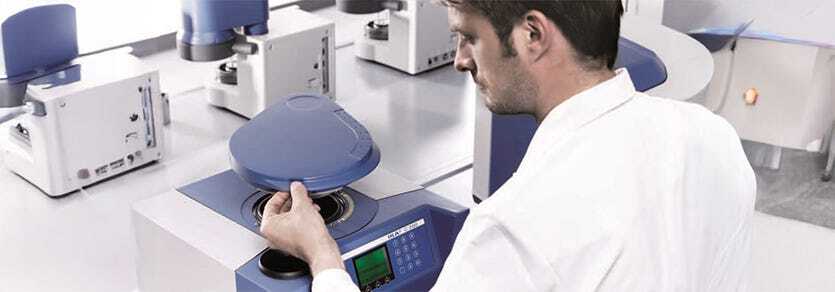
The field of calorimetry is used to determine the heat resulting from chemical reactions and physical state changes, in addition to the heat capacity of non-combustible materials. Calorimetry has been studied for over 200 years and has proved useful in multiple scientific disciplines. From …
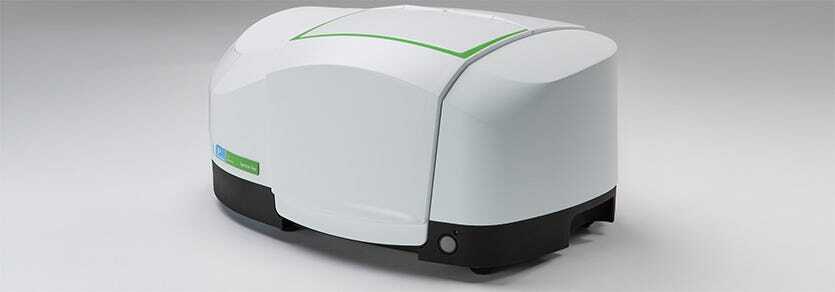
Several options exist for determining the composition, concentration, and purity of a laboratory sample. Among the most commonly used techniques are Ultraviolet/Visible (UV/Vis), Infrared (IR), and Atomic Absorption Spectrometry. Each technique is capable of providing some or all of these pieces of …
Instrument options abound for preparing, incubating, washing, or chemical fixation of samples using kinetic motion. Lab mixers that include orbital shakers, vortexes, rockers, rollers and rotators are all offered in a variety of configurations (capacity, speed, duration, slope and more). These …
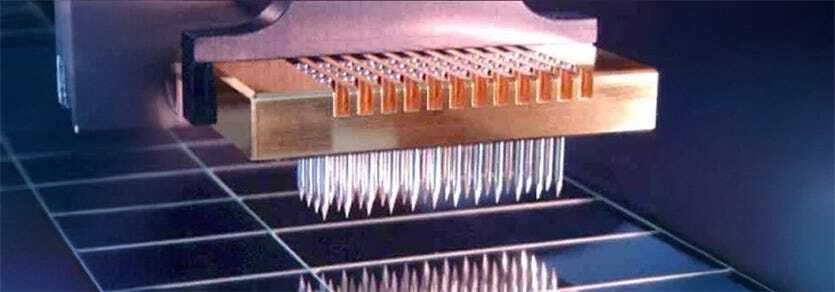
Since its advent in 1995, miniaturized microarray analysis has become a mainstay analytical technique of genomic, proteomic, pharmaceutical and clinical laboratories worldwide. The initial microarray chips, developed by Pat Brown at Stanford University, utilized oligonucleic acid probes deposited …
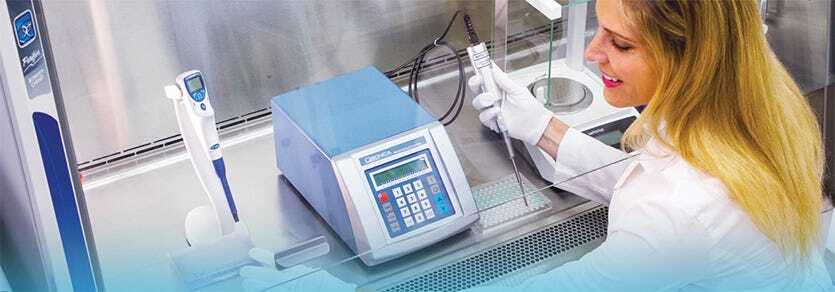
The preparation of samples for protein and nucleic acid analysis requires two essential steps: disruption of the tissue to release individual cells and lysis of those cells to release their cellular contents. Mechanical homogenization and sonication (sometimes referred to as ultrasonic …
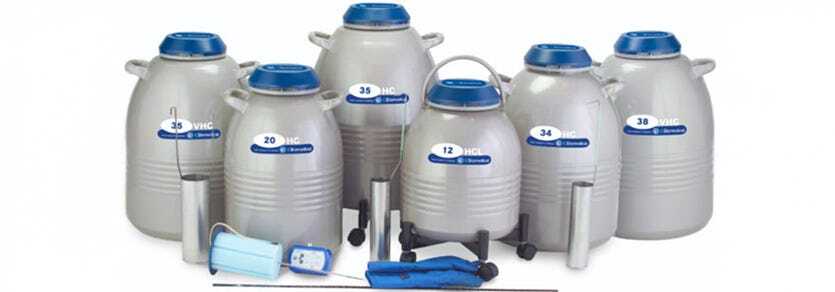
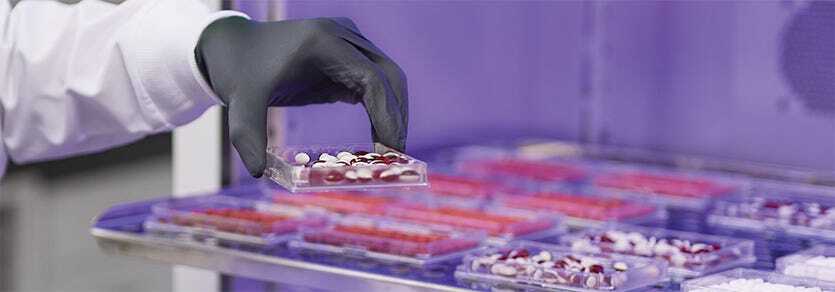
The cryoprotectant your lab selects for long-term storage of both eukaryotic and bacterial cell storage can have profound implications for future experimental results. Cryoprotectants, literally “to protect cells and tissue from damage due to freezing,” can be man-made, or generated in nature. For …
Incubators have traditionally been a mainstay for most biological and life science laboratories, to grow or sustain biological cultures, reproduce germ colonies or breed/grow insects. The most basic incubators allow researchers to recreate strict temperature conditions for optimal growth, …
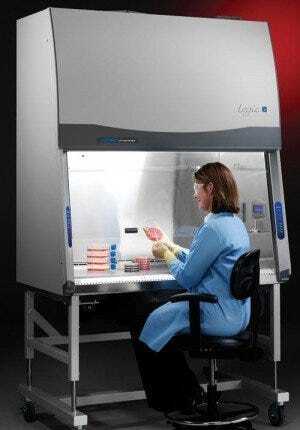
Biological safety Levels (BSLs) are prescribed by the CDC (Centers for Disease Control and Prevention) to inhibit contamination of a work environment and ensure worker safety by outlining operating procedures and atmospheric controls. If you’ve read the BSL guidance document, you may have found the …
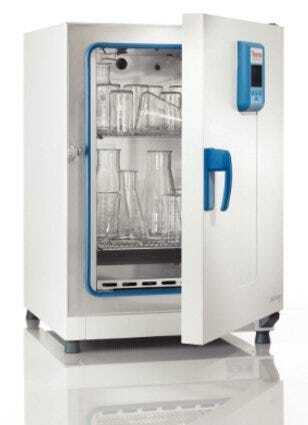
Laboratory ovens are used in a wide range of applications in industries such as biotech, pharmaceuticals and materials manufacturing. These industries often require the process of baking, curing, annealing and drying materials of varying chemical and physical compositions. Many of these process …
USP Compliance of Pharmaceutical Labs Absorption spectroscopy is an important analytical chemistry technique used in pharmaceutical analysis. The United States Pharmacopeia (USP) defines absorption spectroscopy as “the measurement of an interaction between electromagnetic radiation and the …