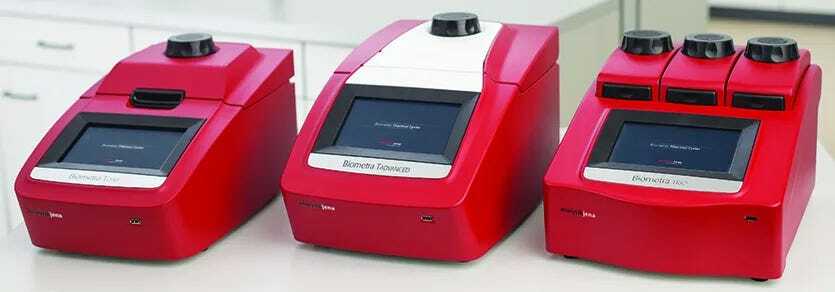
Table of contents Considerations for COVID-19 PCR Diagnostic Test Kits and RT-PCR Testing Equipment GeneFinder COVID-19 Plus RealAmp PCR Diagnostic Test Kit by Osang Healthcare Covid 19 Diagnostic Testing Equipment Thermal Cycler Limitations and Performance Indicators Advantages of Next Generation …
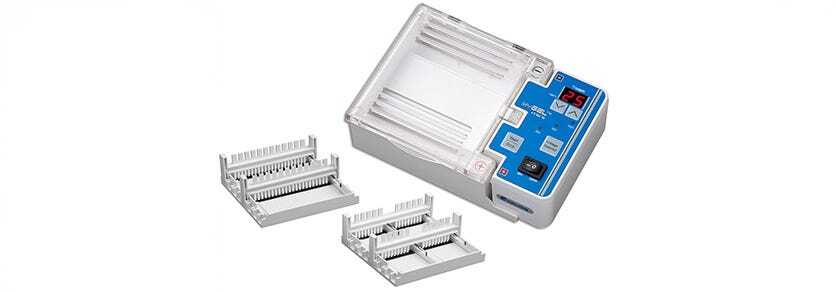
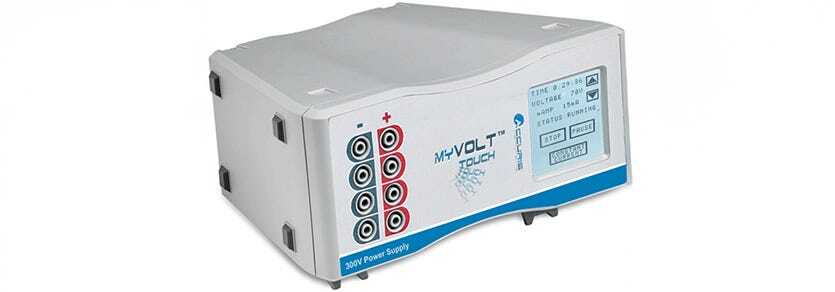
Electrophoresis is a common lab procedure for identifying and separating macromolecules. It was first observed in the early 1800s by a university scientist in Moscow. Like many discoveries, it was accidental, but has proven itself useful for many research scenarios. By applying electricity, …
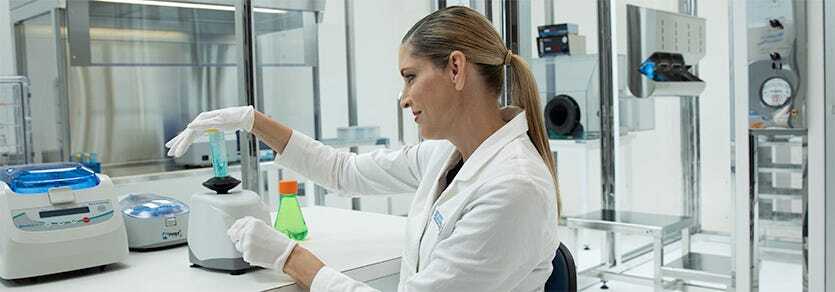
Centrifugation is one of the most widely used laboratory techniques for the separation of materials in the fields of biochemistry, molecular biology, medicine, food sciences and industry. It’s all about gravity and mass: particles in a heterogeneous solution will, given enough time, separate based …
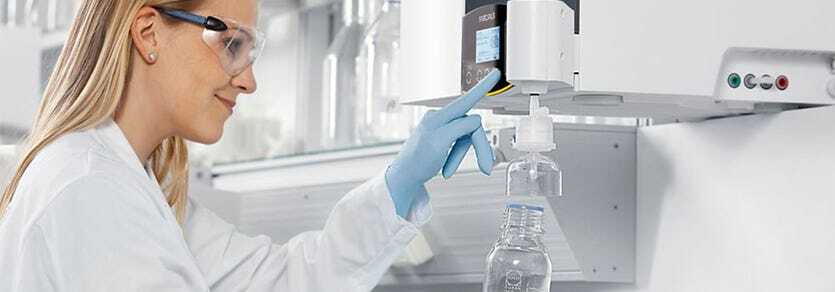
Water’s ability to dissolve compounds, along with its polarity, bonding, melting, boiling and freezing points, heat absorption, and vaporization characteristics arguably make it the most versatile substance we know. It’s also ubiquitous and plentiful: the earth can’t live without it, most plants …
Gel electrophoresis allows for the separation of nucleic acids (DNA or RNA) and proteins based on their size. Electrophoresis is used by labs studying vaccines, medications, forensics, DNA profiling or other life science applications. The technique is also used in industry such as mining or food …
Right on the heels of a blog published on Laboratory-Equipment.com called “How to Improve Pipetting Techniques,” we present this discussion about calibration of gravimetric pipettes. Most labs are required to complete periodic calibration of instruments, as per documented protocols. Whether the …
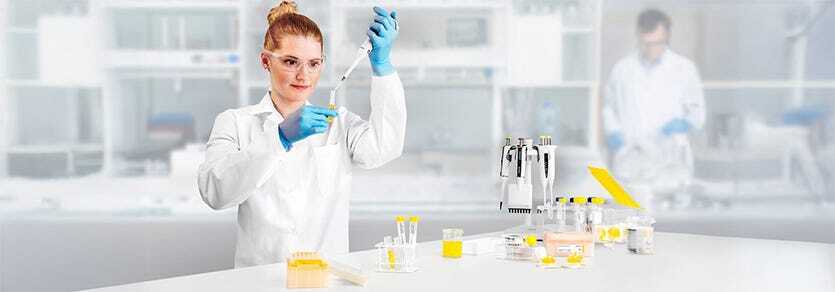
Pipetting is one of the most common functions performed in labs. It is both a measuring technique and the conveyance used for transporting small volumes of fluid. Operations can become rote, but it’s critical to follow best-practices—with such small sample volumes, even trivial mistakes influence …
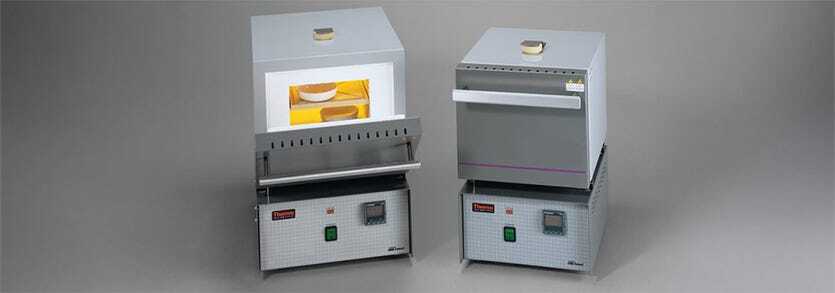
Furnaces have been part of laboratories for hundreds of years. Some of the first chemists to experiment with ultra-high temperatures were indeed brave, considering the flammability of many substances (in those days, perhaps known, or not…). Yet even today with our most modern processes and …
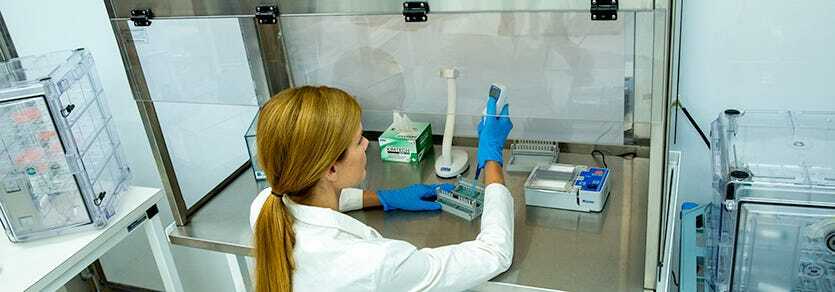
Sterilization is a process designed to destroy and remove all forms of life present in a certain region. It’s accomplished by use of physical or chemical means. Autoclaves, for example, steam sterilize by high pressure and heat (250°F/121°C at the low end). Another sterilization-by-heating …
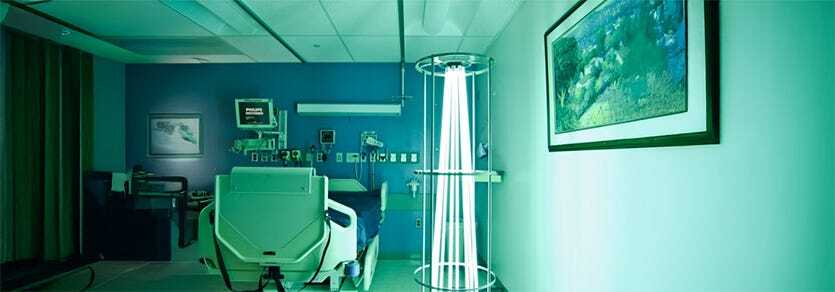
The cleaning and sterilization of laboratory, clinical, surgical and compounding equipment is necessary to ensure patient safety and accurate results. In research laboratories, improperly cleaned or sterilized glassware and instruments opens the door to unwanted contaminants. Contaminated objects …