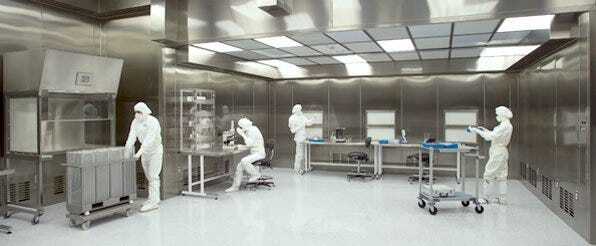
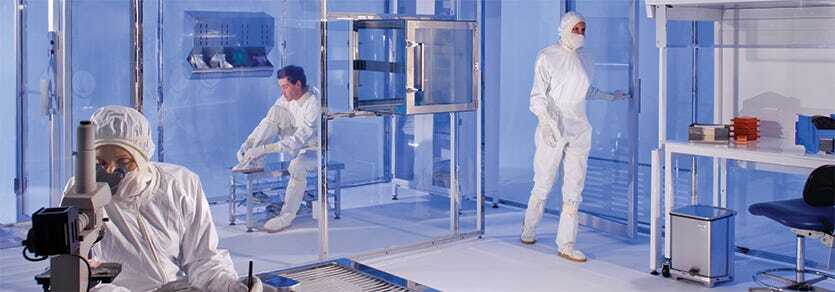
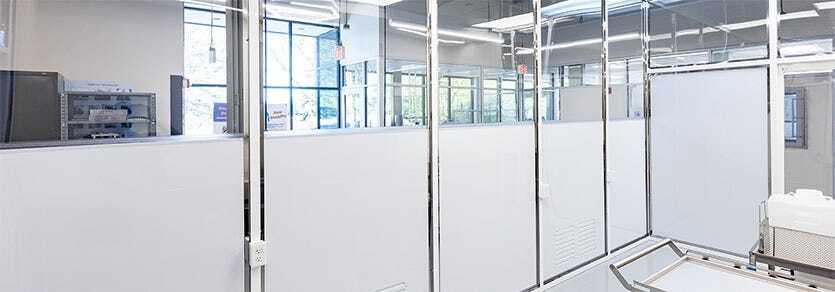
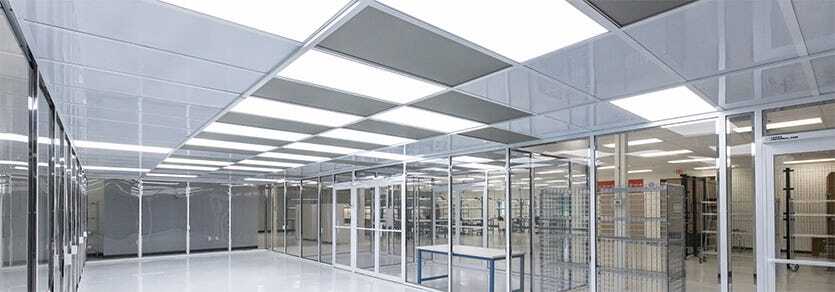
Controlled environments act as secluded clean spaces for performing select applications in a manner that protects the internal samples or materials and/or the workers involved. Air pressure is a key component of a cleanroom. The internal pressure and, by design, the differential pressure, are …
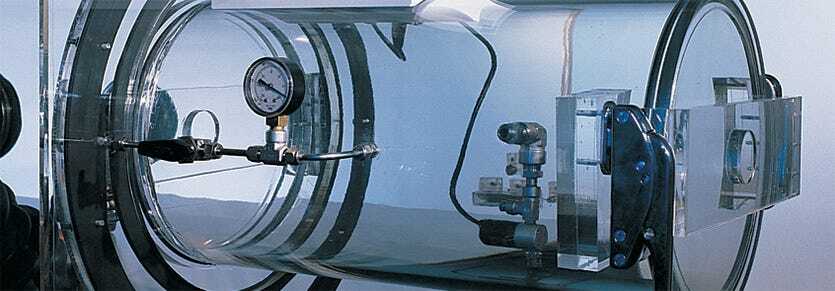
Desiccators, sometimes called dry boxes, provide a low-humidity atmosphere for storage of items and materials that would otherwise be damaged by moisture. Desiccators are used for a wide range of applications across several scientific disciplines. In chemistry and biology, desiccators are often …
Considering the countless designs and operating regulations, specifying the right clean room for your application is not a simple 1-2-3 process. But as with other capital purchases, a checklist of critical questions can help guarantee a decision that meets your expectations. Here’s what our clean …
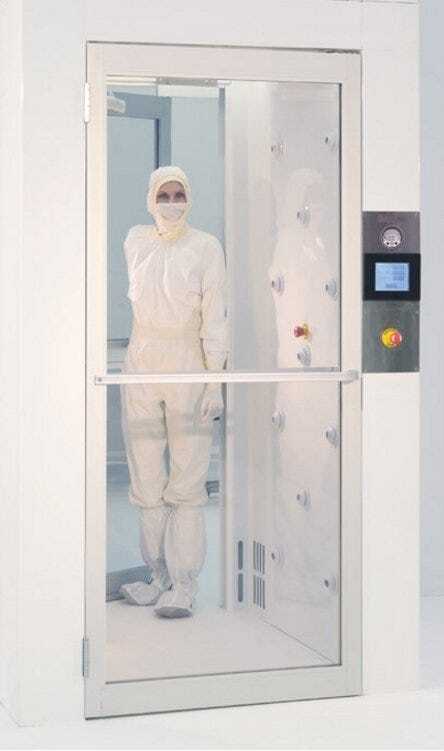
Cleanroom entrances present a significant potential for contaminant infiltration, so they must be managed with this in mind. Air showers are one way to minimize piggy-backing contaminants. They are enclosed chambers that use strong bursts of air to dislodge particulates from people or transport …
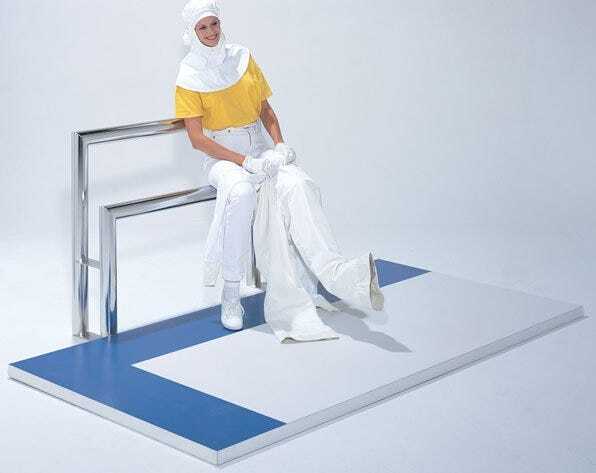
Gowning procedures are vital to cleanroom compliance, and a poorly designed gowning room can make following protocol challenging. Several factors contribute to the layout and furnishing of a functional gowning space, most notably the cleanroom’s application and your budget. Below, we breakdown of …
The sun naturally “cleanses” the earth’s surface with ultraviolet energy. Due to conditions like sun burns and skin cancer, we are most familiar with UVA and UVB rays, but there is actually a third classification of ultraviolet energy called UVC. These rays contain the highest energy, making them …
Increasing energy costs don’t have to deplete your budget. Having an appropriate cleanroom design and selecting practical equipment can control energy-related expenses. Below are seven cost-efficient tactics to help you maintain your cleanroom performance and productivity without breaking your …
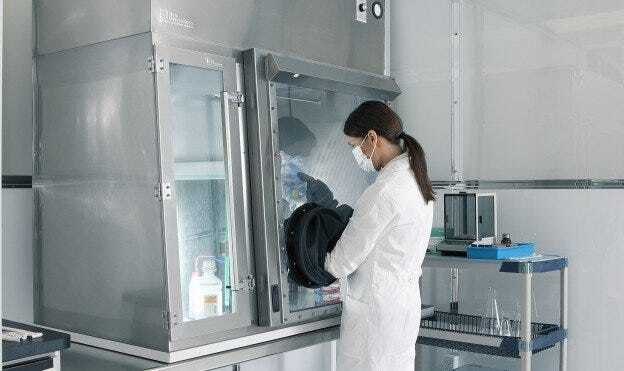
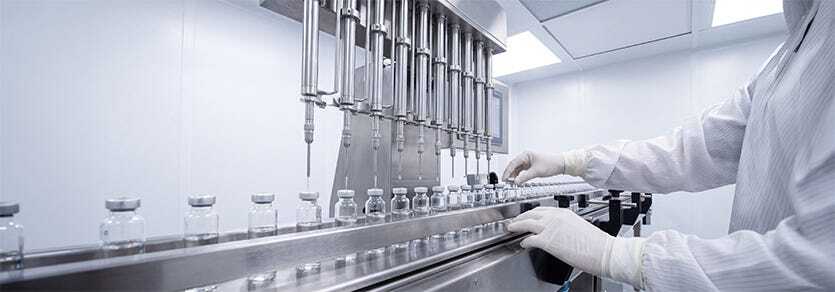
Prominently featured in the pharmaceutical manufacturing industry, a barrier isolator creates an aseptic environment for compounding parenteral (injectable), ophthalmic, and inhaled medications. Due to the significant risk posed by microbiological contamination, the critical area where the …
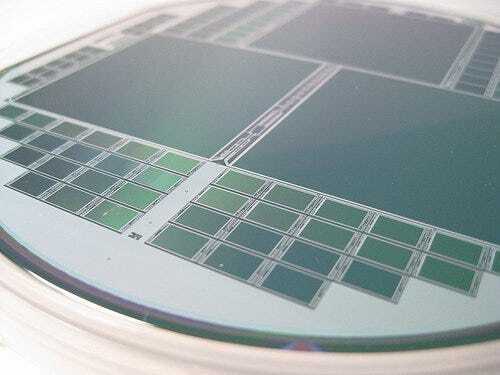
High-tech industries have long been plagued by an unseen foe. From semiconductors to medical devices, manufacturers are forced to accept high product rejection rates due to particle contamination or critical defects. Oftentimes, contamination issues and product damage in these industries can be …
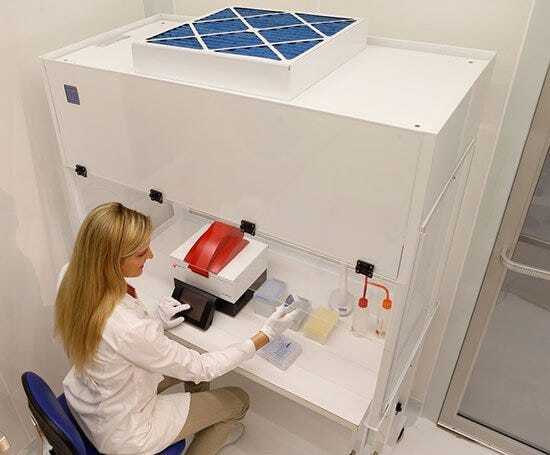
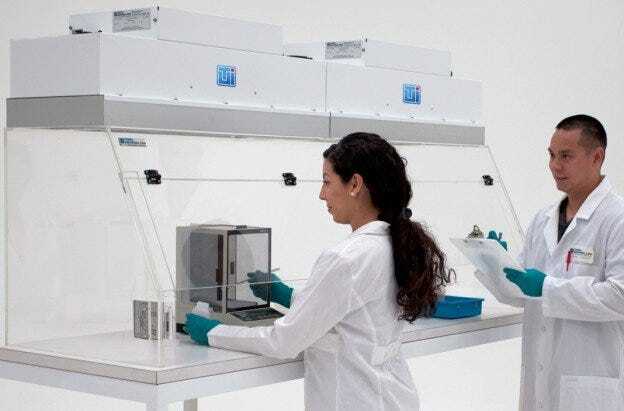
Whether you’re using a laboratory hood to limit exposure to chemical fumes or you require a particle-free work environment, all components of your hood work in tandem to attain optimal functionality. Hoods are enclosures, sometimes called work benches, work stations, or cabinets, that either blow …