
Worldwide Pricing and Secure Global Shipping Available!

Tech blog

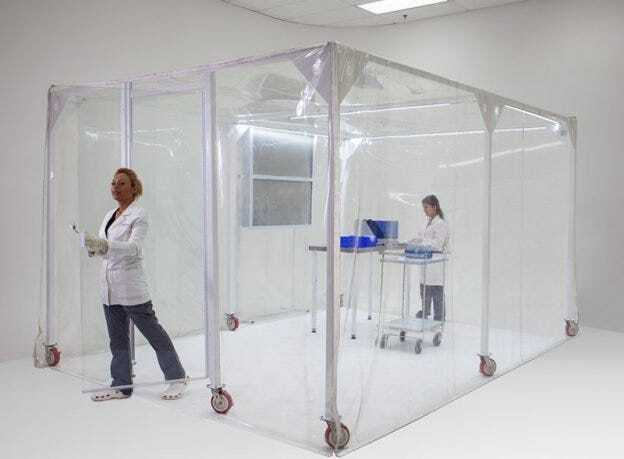
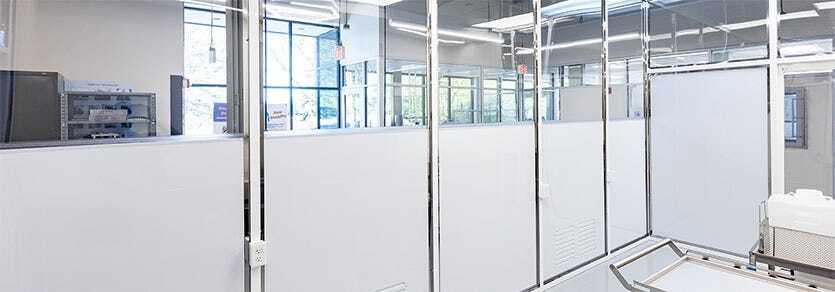
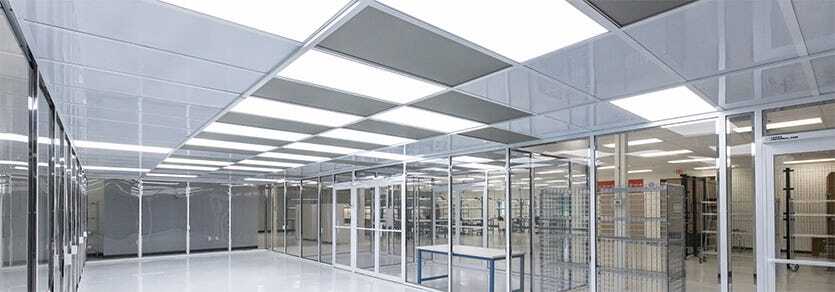
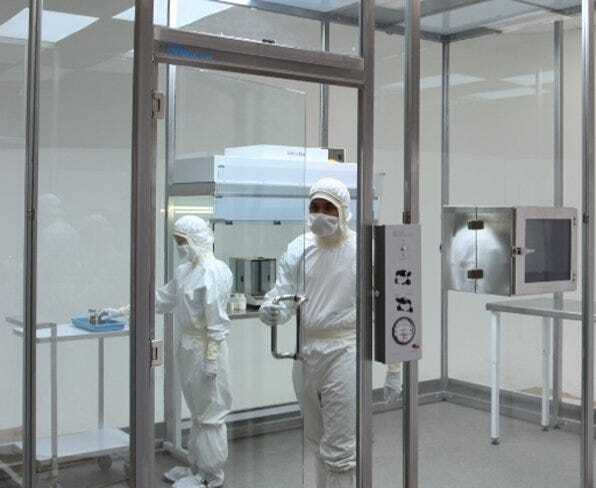
  1. BioSafe’s Extreme-Clean Glass Room

    BioSafe’s Extreme-Clean Glass Room

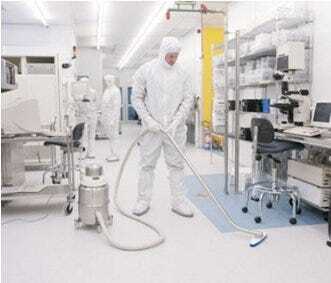
    Particles, particles everywhere! What is a lab to do? Sources of these contaminating specks are many: equipment, room materials, unfiltered air, bacteria and mold, clothing, and (the biggest culprit of all) people. Facilities make heroic efforts to keep the adulterants at bay, but some amount of …
    Read more »
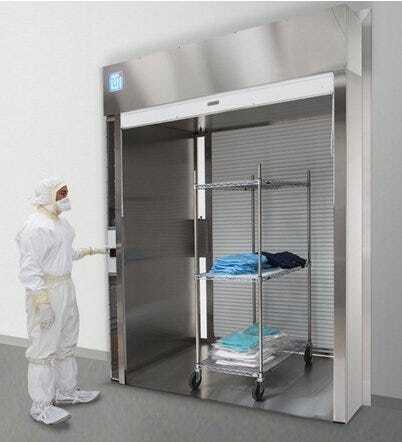
  2. Why Does Your Cleanroom Need a Roll-Up Pass-Through Chamber?

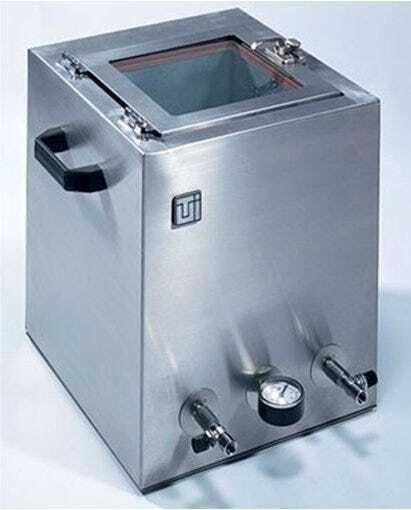
    Why Does Your Cleanroom Need a Roll-Up Pass-Through Chamber?

    Materials get transferred into and out of cleanrooms all the time. The value of pass-through chambers is well-known, and labs count on them for continuity of their workflow and certification status. Without an efficient method of clean movement between rooms of different classifications, some …

    Read more »
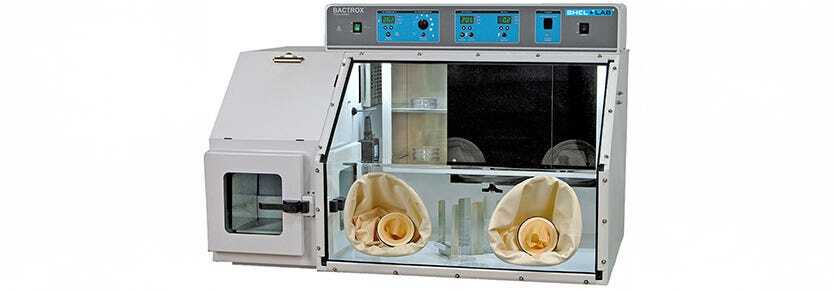
  3. What are Anaerobic and Hypoxia Glove Boxes?

    What are Anaerobic and Hypoxia Glove Boxes?

    Researchers have been culturing bacterial and eukaryotic cells for decades in an effort to elucidate their biological functions and to develop and evaluate treatments for disease. While culturing cells under atmospheric conditions may yield informative results, often these studies require an …

    Read more »
  4. EZ-UP Cleanroom®: Versatile Modular Enclosure

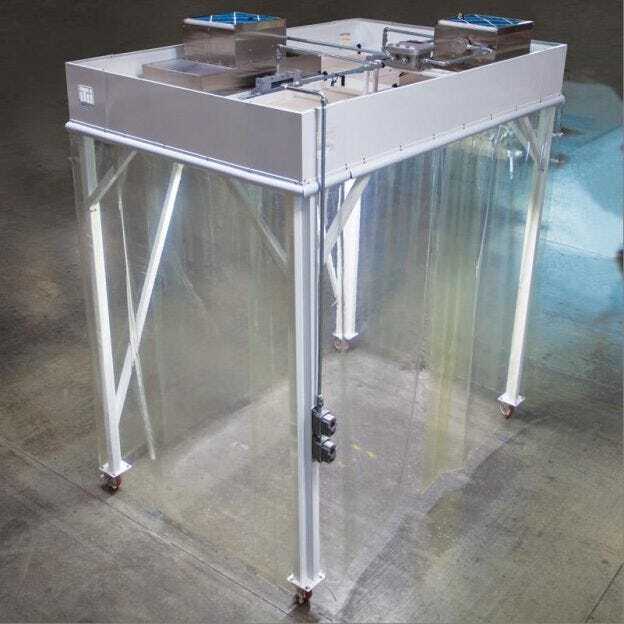
    EZ-UP Cleanroom®: Versatile Modular Enclosure

    Softwall cleanrooms serve to provide clean-enough enclosures, while also giving your budget a break. They are flexible in more ways than the obvious, as we’ll explore below. Applications within component manufacturing, device packaging, quality assurance testing, mobile forensics labs and other …

    Read more »
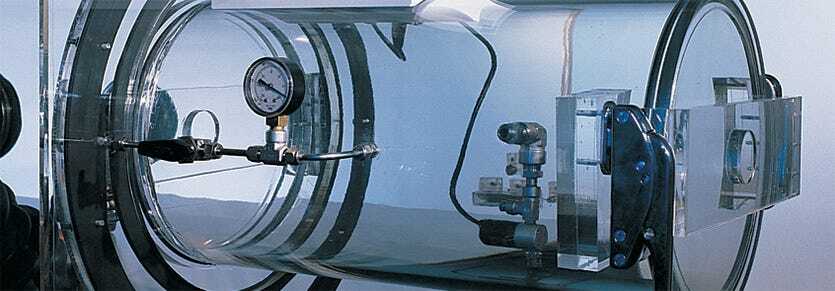
  5. How to Automatically Control Vacuum in Test Chambers

    How to Automatically Control Vacuum in Test Chambers

    Vacuum Overview “Vacuum” means the complete absence of matter. In order to create vacuum conditions, pressure within a given space must be lower than the surrounding environment. The quality of the vacuum is dependent upon several factors, including the number of particles within a given space. The …

    Read more »
  6. BioSafe® Cleanroom Ladders are Steel Workhorses

    BioSafe® Cleanroom Ladders are Steel Workhorses

    Seems like a cleanroom is no place for a ladder: a dirty, dusty, paint-smeared structure used by the contractor who does the termite repair on your house. But in fact, cleanrooms are perfectly-suited to ladders, if they are Terra’s BioSafe brand. Cleanroom and lab ladders are used to access …

    Read more »
  7. Two Leading Decontamination Methods: UV-C vs. HPV

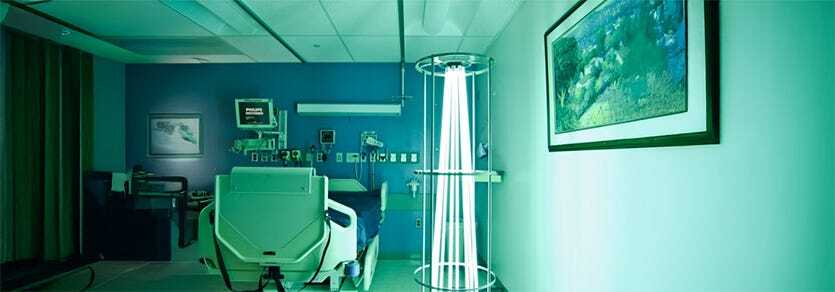
    Two Leading Decontamination Methods: UV-C vs. HPV

    Methicillin-Resistant Staphylococcus aureus (MRSA) bacterium. Photo credit: CDC Controlling microbial contamination is one of the leading concerns in research, clinical, and medical facilities. Microorganisms (hazardous or not) can put personnel, patients and caregivers at risk. In hospital and …

    Read more »
  8. Explosion-Proof Cleanroom for High-Risk Applications

    Explosion-Proof Cleanroom for High-Risk Applications

    Flammable gasses and vapors possess the potential to cause devastating damage to personnel, property and the environment. To minimize this danger, organizations including Occupational Safety and Health Administration (OSHA) and the National Fire Protection Association (NFPA) develop standards, such …

    Read more »
  9. Advantages of Flush-Mounted Cleanroom Windows

    Advantages of Flush-Mounted Cleanroom Windows

    Windows give us a view of the environment on the “other” side of the wall, whether looking out from an enclosed room, or looking into it. In a controlled cleanroom, windows are a source of ambient light, and help to “expand” the space, making it feel less restrictive and relieving worker …

    Read more »
  10. Cleaning & Sterilization Tips for the Cleanroom

    Cleaning & Sterilization Tips for the Cleanroom

    Whether lab technicians like it or not, cleanrooms are exposed to contaminants. Adulteration can occur from personnel, equipment, or even incorrect decontamination processes. Since many cleaning methods exist, it’s important to select one that’s best for your application; an careless technique may …

    Read more »